

Helping Families Facing Food Insecurity
April 15, 2026A new round of state grants totaling $1.55 million have been awarded to 12 organizations such as food pantries and community health centers.
It is all part of the Connecticut Department of Agriculture’s Local Food Purchase Assistance Grant Program, which helps improve access to locally grown food for people in need. These grants help to make up for recent federal cuts.
Residents deserve to be able to get healthy, locally sourced food for their families, and this program helps make that happen. It also reinforces the connection between Connecticut farmers and the communities where they are located, while at the same time helping to bolster the state's agricultural economy.
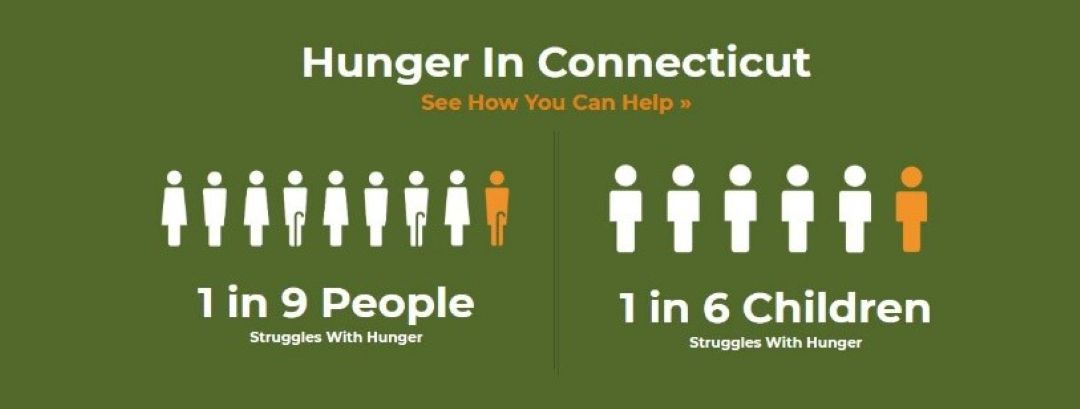
About 60,000 Connecticut residents are estimated to benefit from the program.
Grant recipients under this round are:
- St. Vincent de Paul Place Norwich, Inc. (Norwich) – $100,000 to provide Connecticut-grown food through its pantry and meal programs to thousands of individuals and families across southeastern Connecticut, including seniors, children, and households facing economic hardship.
- Northwest Connecticut Food Hub (Torrington) – $200,000 to purchase food from local farms and distribute it to families across western Connecticut through schools, pantries, and community programs, supporting both farmers and residents in need.
- CitySeed, Inc. (New Haven) – $150,000 to connect Connecticut farmers to food pantries and community partners across New Haven, expanding access to fresh, locally grown food for low-income residents through a coordinated citywide network.
- Living Word Ministries DBA Vertical Church (West Haven) – $100,000 to provide weekly boxes of Connecticut-grown produce to thousands of families through a network of food pantries in the Greater New Haven region, increasing access to fresh food during the growing season.
- Real Food CT, Inc. (Newtown) – $150,000 to purchase food from Connecticut farms and deliver it to food pantries and community organizations across Fairfield, New Haven, and Litchfield counties, serving low-income households and working families in need.
- Wheeler Health, Inc. (Plainville) – $100,000 to distribute locally grown food through its health centers and mobile units to thousands of patients across Connecticut, supporting individuals and families managing chronic health conditions and limited access to nutritious food.
- Chrysalis Center Inc. (Hartford) – $60,000 to provide Connecticut-grown food through its Freshplace pantry to low-income individuals in Hartford, including those experiencing homelessness, reentry, and other barriers to stable access to healthy food.
- New London Community Meal Center, Inc. (New London) – $200,000 to expand access to locally grown food through its meal programs, market, and new wellness hub, serving low-income residents and seniors across southeastern Connecticut.
- Thompson Ecumenical Empowerment Group, Inc. (North Grosvenordale) – $150,000 to provide locally grown produce and meats to low-income families in rural northeast Connecticut through its community market, serving households facing economic hardship and limited access to food.
- nOURish Bridgeport, Inc. (Bridgeport) – $120,000 to distribute Connecticut-grown food to thousands of residents each week through its pantry and partner network, serving families, children, and seniors experiencing food insecurity in one of the state’s highest-need cities.
- Brass City Harvest, Inc. (Waterbury) – $120,000 to source food from more than 20 Connecticut farms and distribute it through community partners across Waterbury, focusing on residents in food desert neighborhoods with limited access to fresh, affordable food.
- Daily Bread (Danbury) – $100,000 to purchase Connecticut-grown food to supply its large, grocery-style pantry serving over 1,000 families each week in the Danbury area, helping low-income households, seniors, and working families access fresh, healthy food with dignity.
For more information about this and other food and farming programs, visit the Department of Agriculture website.
You can read more about the state's investment in helping people with food insecurities in this article from CT NewsJunkie.