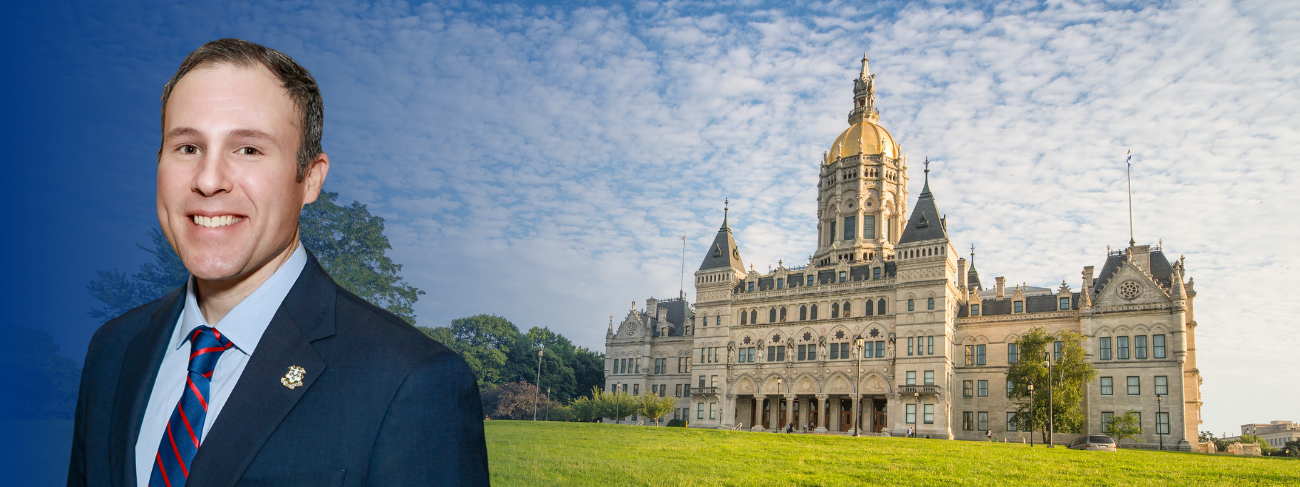
The Connecticut Department of Economic and Community Development’s Community Investment Fund (CIF) has approved funding for several projects across the state, including the Daniel’s Mill Remediation and Development Project in Vernon. The initiative represents a significant step forward in advancing the town’s efforts to revitalize underutilized properties and promote sustainable economic growth.
The $2.5 million grant will fund critical environmental remediation activities at 98 East Main Street, the site of the former Daniel’s Mill property. Addressing environmental conditions at the site is a key prerequisite to redevelopment and will help transform a long-underutilized property into a productive community asset. Once remediation is complete, the project is expected to support the development of workforce and affordable housing units alongside new commercial space, creating opportunities for both residents and local businesses.
Redevelopment of the Daniel’s Mill site aligns with the town’s broader economic development strategy, which focuses on encouraging residential growth, supporting local businesses, and expanding housing options for the regional workforce. By bringing new housing and commercial activity to a centrally located property, the project will help strengthen the local economy, increase housing availability, and contribute to the continued revitalization of Vernon’s East Main Street corridor.
|
|
Thank you to Vernon Town Administrator John Kleinhans, Economic Development Director Shaun Gately, Deputy Mayor Maryann Levesque and my Vernon delegation colleague Rep. Jaime Foster for your continued support and collaboration in advancing this project and investing in the future of Vernon.
|
|
|
On Friday, March 20, at 12:30 p.m., I will join my colleague, Representative Jaime Foster, at the East Windsor Senior Center (28 Abbe Road, East Windsor) to host an informational session with Department of Veterans Affairs Officer Devon Julien Sr.
During this session, we will provide an overview of available benefits, share helpful resource materials, and facilitate an open dialogue to answer questions and address concerns.
Our goal is to ensure that seniors and veterans are fully aware of the benefits and services available to them in a welcoming and accessible setting.
|
|
|
Last weekend, I had the honor of speaking to the Mansfield Regional participants at Connecticut History Day 2026. I reminded them of the importance of learning from history, and was able to highlight the new Connecticut State Seal of Civic Education & Engagement that they will now be able to earn on their high school diplomas.
I was also there as a dad, however. The best part of the day was watching my son Jacob earn a trip to the state competition by finishing 1st in his category! Congratulations to all of the participants. You all did amazing research!
|
|
Developmental Disabilities
Awareness Month |
|
|
|
March is Developmental Disabilities Awareness Month, a time to recognize the strengths, talents, and contributions of individuals with developmental disabilities while also raising awareness about the challenges they may face.
There are many ways to show support during Developmental Disabilities Awareness Month. You can:
• engage in meaningful conversations
• share stories and experiences
• amplify the voices of people with lived experience
• help break down stereotypes and misconceptions
|
|
| You can also show your support by wearing orange, the official color of Developmental Disabilities Awareness Month, symbolizing energy and positivity. |
|
|
|
Supporting local organizations, advocating for inclusive policies, and ensuring that schools and workplaces are welcoming to people of all abilities are also important steps. By working together, we can build a more inclusive society where everyone, regardless of ability, is valued, respected, and empowered.
|
|
| March 16-20: National AG Week |
|
|
|
Connecticut may be a small state, but its agricultural impact is significant. More than 5,000 farms operate across 372,000 acres, and the state’s agricultural industry contributes approximately $4 billion annually to Connecticut’s economy. In addition to food production, the industry supports a broad network of related activities, including processing, distribution, and agribusiness. Altogether, agriculture provides around 30,000 jobs statewide, making it an important source of employment and economic stability.
Connecticut residents also benefit from year-round access to fresh, locally grown food. With more than 100 farmers markets operating across the state, consumers have many opportunities to connect directly with local farmers and producers. Choosing locally grown foods not only supports farmers and strengthens the state’s economy, but also promotes healthier communities by increasing access to fresh, nutritious products.
Celebrate National Agriculture Week by supporting local farms. Click here to explore all things Connecticut Grown, from fresh local foods to farms and farmers markets across the state!
|
|
|
|
|